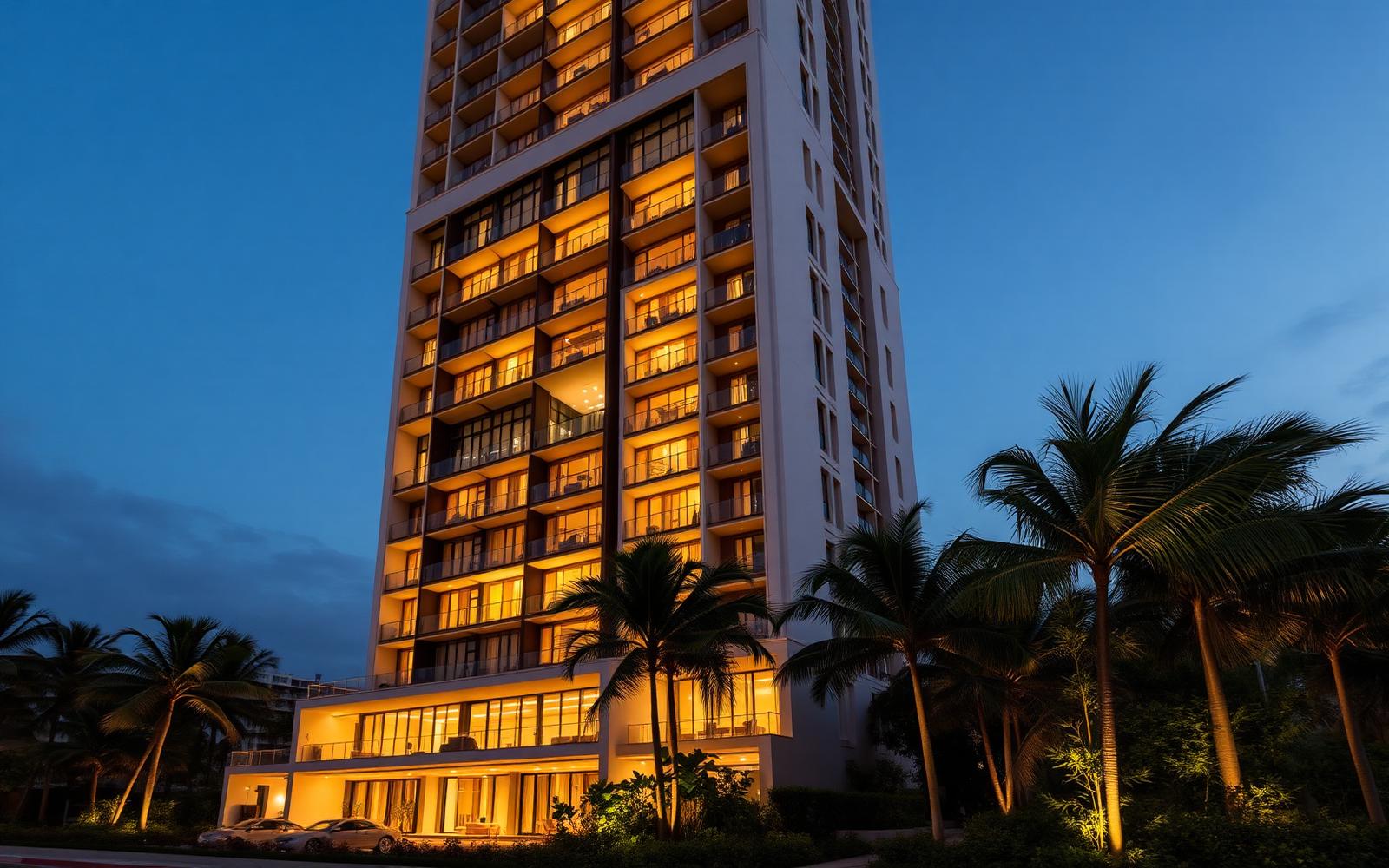
The branded residence category reshaped Asian luxury real estate over the last fifteen years. Four Seasons, Ritz-Carlton, Aman and their peers proved that a credible operator could add 25 to 40 percent to per-square-metre pricing in the right market. That premium is now under pressure. The next one is being built around wellness.
This is not a soft thesis. It is a structural response to three commercial realities that owners, developers and family offices are quietly acknowledging in private meetings across the region.
Why the branded residence premium is compressing
Fifteen years ago, a hotel-branded residence gave buyers three things a standalone luxury development could not: a management operator they trusted, service standards they recognised, and an implicit resale premium. Today, all three are less scarce than they were.
- Operators are less differentiating. A concierge, a pool, valet parking and a lobby ristorante are now table stakes at the top of the market.
- Service standards have converged. Local luxury operators — in Bangkok, Ho Chi Minh City, Kuala Lumpur, Manila — deliver genuinely comparable service at a lower brand-royalty burden.
- Buyers have shifted values. Post-pandemic HNW buyers rank health and longevity above status signalling. This is showing up in survey after survey and, more importantly, in transaction data on properties with credible wellness offerings.
The result: the marginal buyer is willing to pay a premium, but the premium they want to pay for is changing.
Where the wellness premium actually comes from
A branded wellness residence is not a residence with a nice gym. The premium comes from a specific stack of features that, together, change the asset class. In our work with developers across the region, we consistently see five components in the projects that command real pricing power.
1. A licensed medical anchor
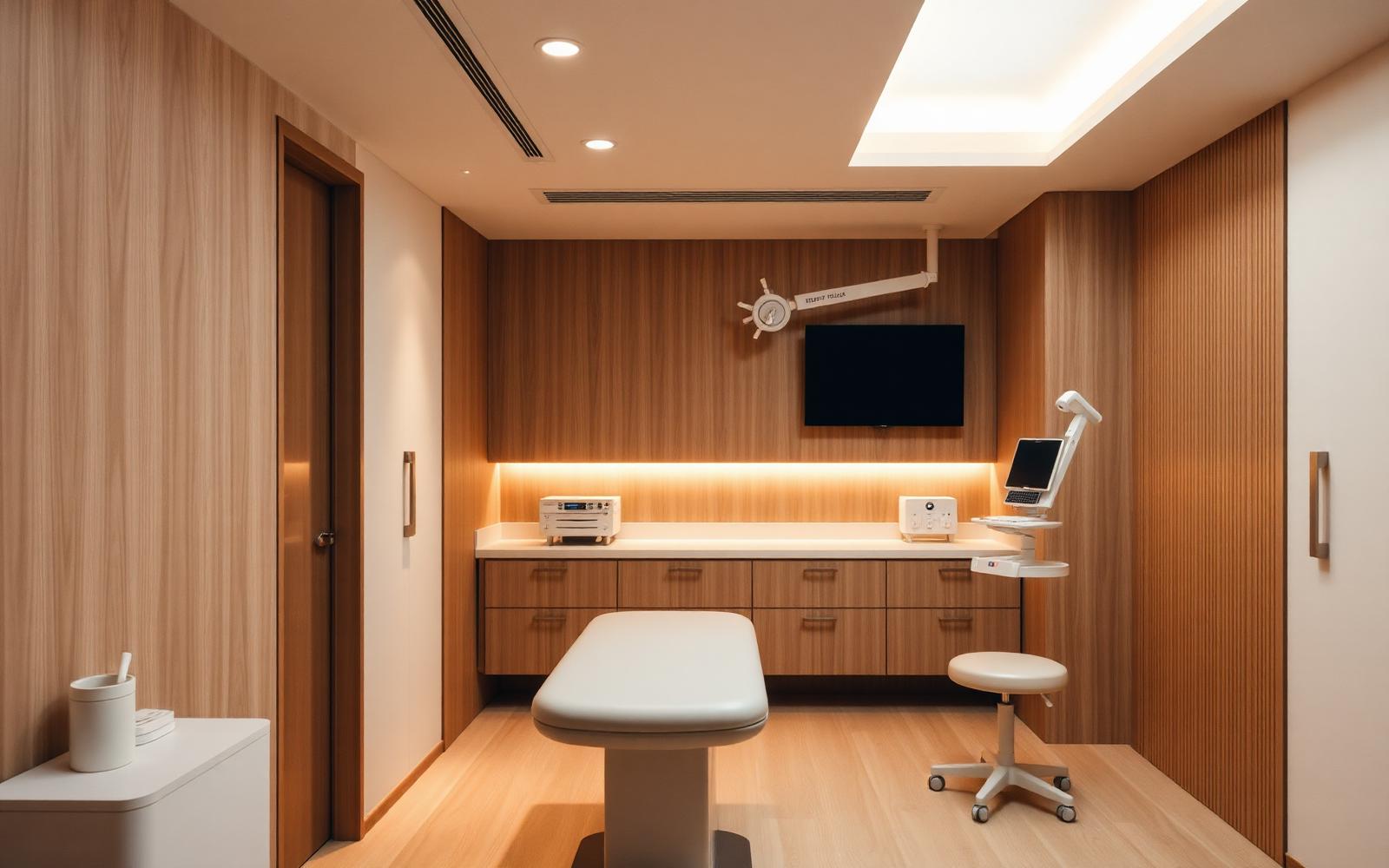
Not a spa. A licensed clinic, on site or in the immediate podium, offering — at minimum — diagnostics, physician consultations, and a defined preventive-medicine protocol. This single feature changes the regulatory conversation, the insurance conversation, and the buyer conversation. It is also the feature most developers try to avoid, because it is genuinely hard.
2. A credentialed wellness operator, separate from the hotel operator
The hospitality brand can run the residence. It cannot run the medicine. The projects that work have a distinct wellness operator with signed clinical protocols, its own P&L line, and the authority to reject any programming that dilutes the medical standard. Trying to fold the wellness offering into the hotel operator''s scope is the single most common structural mistake we see.
3. Programmable clinical and recovery space
Consultation rooms, treatment rooms, recovery suites, movement studios and diagnostic space are designed as revenue-generating clinical space in the podium — not as amenity fill. This is a design brief written before the interior designer is appointed, and it requires an owner who understands they are underwriting a hybrid asset.
4. A resident data model
Owners increasingly expect their biomarkers, imaging, and preventive plans to travel between residences, resorts, and their home city physicians. Solving portable resident health data — securely, in a way the owner controls — is now a real estate feature. Nobody has fully cracked it yet. The operator who does will define the category.
5. A community and programming layer
Retreats, lectures, physician office hours, resident-only clinical events. Not marketing theatre — genuine programming that gives owners a reason to spend more nights in the residence and to introduce it to peers. This is the referral engine mature wellness brands rely on.
What a workable JV structure actually looks like
The commercial architecture is where most projects fail before they open. A workable joint venture typically has three parties with three distinct roles.
The developer underwrites the asset, delivers the built form, and retains ownership of the residential inventory. They should not attempt to operate the wellness component.
The hospitality operator runs the residence and any adjacent hotel keys, owns the guest and resident service standard, and licenses the brand. Their fee structure looks like a standard branded-residence deal.
The wellness operator owns and runs the clinical/wellness component under a separate management or lease agreement. This party carries the clinical governance, holds the medical licences where applicable, and takes an integrated cut of clinical revenue plus a base management fee. Critically, the wellness operator has veto rights on programming, protocol changes, and any use of the wellness component in sales and marketing.
The projects we see fail almost always fail because one of these three tries to absorb another''s role — usually the hotel operator being asked to "also handle the wellness piece" to save on fees. It never saves money. It only defers the cost.
Where the premium is heading
We expect the first true wellness-branded residences to command 40 to 60 percent premiums to comparable conventional branded-residence stock in the same market, within the next real estate cycle. That premium will not be uniform. It will accrue to projects that got three things right, together:
- They picked a credible wellness operator early — before masterplan lock — and let that operator shape the design brief.
- They built a licensed medical anchor into the podium, and accepted the regulatory and operational complexity that requires.
- They structured the JV so that the wellness operator has real authority, not just a management fee.
The projects that skipped any of these steps will find themselves in the awkward position of a branded residence with a wellness label — competing on marketing, not on economics.
A note for family offices underwriting these deals
When we work with family offices evaluating branded wellness residence opportunities, we run a short diagnostic before diligence begins. Is there a named clinical director in the deal team, not just an advisor? Has the wellness operator signed off on the design brief, not just the marketing narrative? Does the pro forma model wellness as a revenue centre, or as amenity cost? If any of these answers is no, the premium in the underwriting is unlikely to materialise in the sales.
Real estate has always sold a lifestyle. The next generation of buyers is asking for something more measurable: how many good years does this asset add to my life? The developers who can answer that question honestly, in the built form and in the operating model, will own the next cycle.