Let''s be direct. Most hotels calling themselves "wellness properties" in 2026 are not wellness properties. They are conventional resorts with an expanded spa menu, a yoga shala, and a press release. The gap between what the category claims and what it delivers is now embarrassingly wide, and the market is beginning to notice.
This is not a fashionable thing to say. Wellness is the fastest-growing segment in hospitality, the darling of every asset-management deck, and the go-to positioning for any owner facing softening RevPAR in a traditional luxury market. But claiming a category and building one are different exercises, and the second is much harder than most operators have acknowledged.
Three uncomfortable observations
Observation one. A spa menu is a revenue centre, not a positioning. If your "wellness offering" is a list of massages priced 40 percent above the local market, you are running a spa. That is a perfectly legitimate business. It is not wellness hospitality.
Observation two. Almost every wellness resort in Asia was designed by a hotel team and then handed to a wellness director to "programme." This is precisely backwards. Wellness is an operating model that dictates architecture, staff ratios, F&B, and revenue mix. Retrofitting it into a finished building is why so many properties feel like they are wearing a costume.
Observation three. The industry conflates two entirely different products. A three-night guest looking for a reset is not the same customer as a fourteen-night guest on a medically supervised programme. They need different rooms, different staff, different pricing logic, and different marketing channels. Most properties design for the first customer and try to sell to the second.
What the serious operators do differently
Look at the properties that are actually working — the ones that book out a year in advance, command 30 to 60 percent price premiums to comparable luxury resorts, and produce genuine repeat visitation. Four things separate them from the pack.
1. A clear philosophical spine
They can articulate, in one sentence, what they believe about human health. Preventive medicine anchored in diagnostics. Traditional systems reinterpreted through modern evidence. Metabolic reset as a specific clinical protocol. Whatever it is, it is coherent, defensible, and visible in every part of the guest experience — the arrival ritual, the breakfast buffet, the shape of the yoga studio, the choice of art on the wall. Coherence is the product.
2. A clinical or expert-led governance model
Somewhere at the top of the org chart is a physician, a research director, or a discipline expert with real credentials, not a wellness director drawn from the hotel''s marketing team. This person owns the protocols, approves new therapies, and has the authority to say no to revenue-generating ideas that dilute the standard. Owners who cannot bring themselves to give this role real power should not enter the category.
3. Length-of-stay economics designed on purpose
The best operators pick their guest length and build the entire product for it. A five-day metabolic reset has one economic model — high daily rate, high therapist-to-guest ratio, structured programming. A twenty-one day residential clinical stay has another — lower daily rate, integrated medical services, a very different F&B operation, and a case-management layer that most hotel operators have never staffed for. Trying to serve both from the same building rarely produces excellence in either.
4. A retention product, not just an acquisition product
Wellness guests who have a genuinely useful stay want to continue the work at home. The properties building durable brands have built for this — a membership layer, a digital continuity product, a follow-up consultation model, an annual return visit priced as part of a programme rather than a re-acquisition. Without this, every year begins at zero, and the marketing budget swallows the operating margin.
The operating cost owners consistently underestimate
Wellness properties run at payroll ratios that would horrify a traditional hotel asset manager. Qualified therapists, nutritionists, movement specialists and physicians are scarce across Southeast Asia. Training pipelines are thin. Turnover is punishing — a genuinely gifted therapist who has been trained on your protocols is a scarce, poachable asset, and every competitor knows it.
The owners who protect their margins do two unglamorous things: they build in-house academies from day one, and they design compensation and career paths that treat clinical and wellness staff as the core of the business, not a cost centre. The ones who assume they can hire off the local market later usually cannot, and quality erodes in year two.
Design decisions that separate serious from theatrical
A short list of the design choices we see the serious operators make, and the theatrical ones ignore:
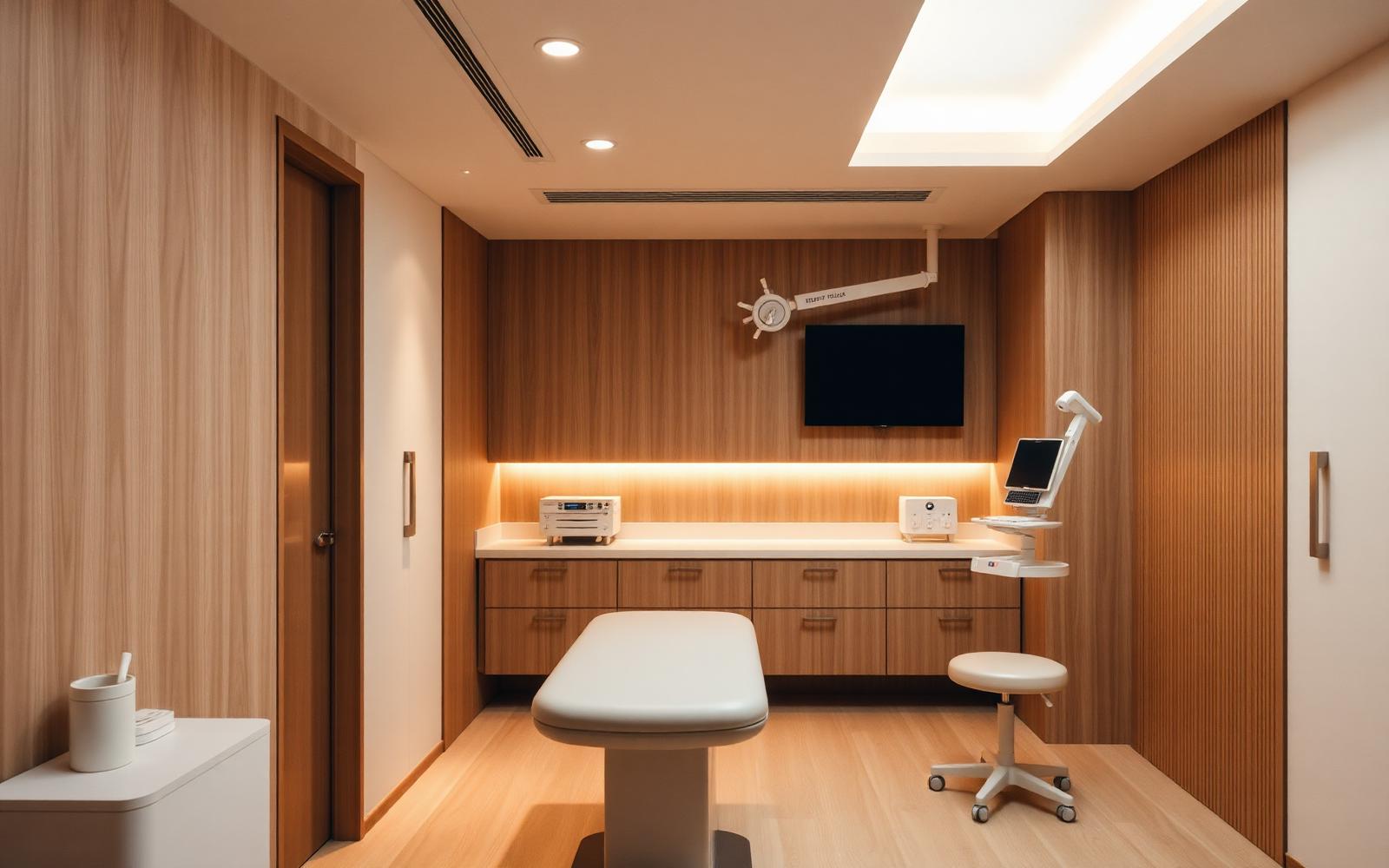
- Consultation rooms designed as clinical space, not converted treatment rooms — proper lighting, privacy acoustics, storage for medical equipment, ability to be inspected by a regulator.
- Movement studios sized for one-to-one work, not just group classes — the highest-value guests want private sessions, and most properties cannot deliver them.
- An F&B operation that is a wellness product, not a menu with a "healthy options" section — this requires a chef who reports into the wellness director, not the F&B director.
- Sleep environments engineered for sleep — blackout, temperature control, mattress and pillow choice, noise separation from adjacent rooms — designed before the interior designer is appointed, not after.
The market is about to sort itself
For a decade, "wellness" has been a positioning that let operators charge more without changing much. That window is closing. Guests are more literate. Journalists are more sceptical. The asset management community is beginning to distinguish between properties with genuine wellness economics and properties with a wellness marketing overlay. Within the next cycle, the gap between the two — measured in RevPAR, in repeat visitation, in exit valuations — will be uncomfortably visible.
The operators who use the next two years to build a real product, not a costume, will define the category for the following twenty. The rest will quietly rebrand back to "resort."